 Philip Joubert
Chapter 8
Managing people
Management at the early stage
Early hires should be self-sufficient and need only minimal hand-holding. It takes 5x more time to manage a low performer than a high performer.
When the team is still small, everybody knows what everyone else is working on without having to formally report to each other. This has tremendous value as it allows you to stay in sync without requiring a formal management system, which would suck up significant time.
There’s also no need to actively “develop” people in the team. Everyone is wearing so many hats and solving so many problems that they’re growing without even trying.
Managing 10Xers
If you get lucky and hire a 10Xer, you should constantly expand their responsibilities. Take away their life jacket and throw them in the deep end with the sharks.
It’s scary, so you’ll rationalise why it’s better to limit them:
- They’re good, but not ready for a promotion.
- They don’t have the right background.
- They don’t have enough experience.
- If we promote them and it doesn’t work, then what?
- How will more experienced team members respond?
The problem is that if you don’t do it you risk losing them. 10Xers optimise for growth above all else. So give them hard things to work on, lots of feedback and other super talented people to work with.
The best people spend 70%+ of their time on things that are hard to do.
Onboarding new hires
Early-stage companies are better off optimising onboarding for customers than employees.
When the company is still small, find people who can mostly onboard themselves. Only start taking employee onboarding seriously when you’re making a hire every month.
That said, do some basic things right from the start:
- Create a company wiki. Don’t overcook it. Just write things down when you find yourself explaining them.
- Check in with new joiners. Quick daily check-ins for the first two weeks, then 30 minutes on days 30, 60 and 90.
- Give real-time feedback. Let them know which behaviours are in line with the culture and which aren’t.
It takes time for new hires to pay back the cost of hiring.
Delegate what you’re good at
“Delegate things you’re good at. The best things to delegate are things you are really good at because you know how to hire the right people to do it.”
Auren HoffmanSafeGraph
Performance management
Early-stage startups don’t have the time for formal performance reviews. Instead, focus on continuous real-time feedback.
That said, it’s still worth zooming out on a regular basis and reviewing the state of your team. A quick and dirty approach is to make a 2x2 of contribution today against potential for the future, and put everyone in a quadrant:
- Superstars: promote them.
- Rising Stars: coach them.
- Reliable Contributors: motivate them.
- Bad Apples: fire them.
Promotions
There are two schools of thought when it comes to promotions:
Promote to Challenge
Put people into tough situations and let them struggle their way to success. Hopefully, they come out of the other end alive.
Promote to Success
You get promoted after operating at that next level for at least 6 months. The risk of underperforming and getting fired is minimal.
The highest achievers want to be promoted prematurely, struggle, prevail, and prove themselves. They have very little patience and get bored quickly. Almost everyone else needs at least a little experience of the next level before getting promoted.
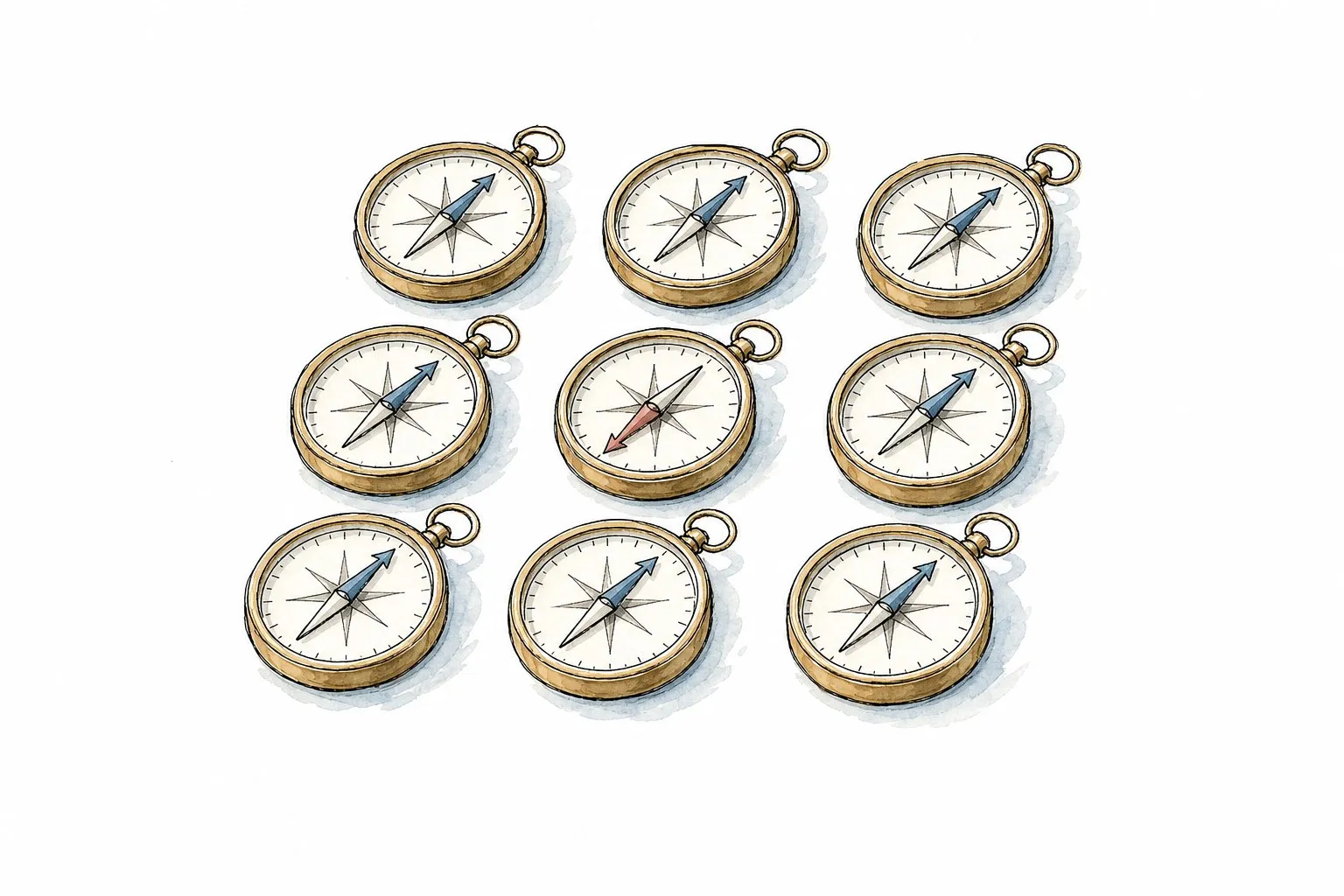
People are vectors, they must be actively aligned
In the optimal environment, everyone is in 100% alignment.
In sub-optimal environments, misalignment impairs speed and quality.